
Chain Drive vs Belt Drive LiftMaster Openers: What’s the Difference?
Chain Drive and Belt Drive LiftMaster Openers: Key Differences Explained
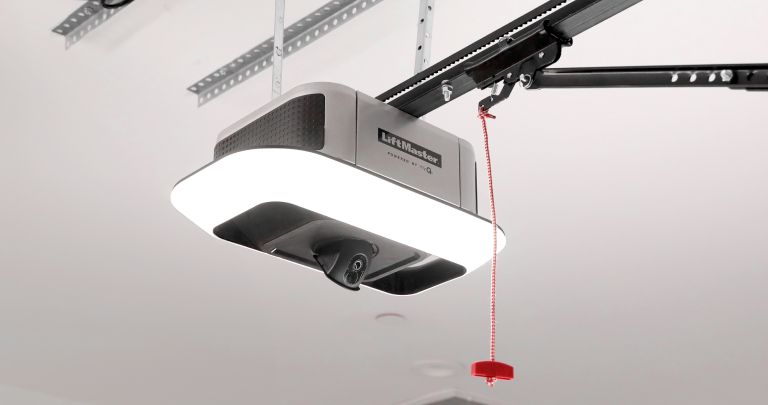
Choosing between a Chain Drive and a Belt Drive LiftMaster opener matters for noise, longevity, and the kind of garage you have. Both systems lift the same doors but use different mechanisms—metal chain links or a reinforced rubber belt—to transfer motor power to the trolley. Understanding the practical differences helps you match performance, budget, and lifestyle needs without getting lost in technical jargon.
What Are the Main Mechanical Differences Between Chain Drive and Belt Drive Openers?
Chain-drive openers use a metal roller chain similar to a bicycle chain to move the trolley. In contrast, belt-drive openers use a reinforced polyurethane or rubber belt with embedded steel or fiberglass cords. The motor, trolley, and rail are similar across both types; it’s the transmitting element (chain or belt) that defines vibration, vibration transfer to the structure, and long-term stretch characteristics. Chains tend to be heavier and transfer more shock and vibration; belts absorb more of that energy and maintain smoother motion over time.
Which Option Is Quieter and How Much Does Noise Matter for Home Use?
Belt-drive LiftMaster openers are substantially quieter than chain-drive models because the rubber belt dampens motor and gear noise and reduces metal-on-metal contact. If your garage is attached to living spaces, bedrooms, or a home office, quieter operation can prevent sleep disruption and improve daily comfort. Chain drives are noisier and may be acceptable for detached garages, workshops, or situations where noise is less of a priority.
Which System Offers Better Durability and Maintenance?
Both systems from reputable brands like LiftMaster are engineered for durability, but their wear patterns differ. Chain drives can stretch and require periodic tension adjustment and lubrication; they also transmit more vibration to mounting points, which can accelerate wear on rails and brackets in poorly isolated installations. Belt drives resist stretching and require less routine maintenance, though the belt itself should be inspected for wear or damage over time. Overall life expectancy depends on usage frequency, environmental exposure, and proper professional installation.
Which Is Better For Residential Versus Commercial Applications?
For most residential settings—especially attached garages—belt-drive openers are the preferred choice due to quiet operation and smoother performance. Chain drives are commonly chosen for commercial or heavy-duty applications where maximum lifting force, cost-efficiency, and tolerance for noise are priorities. LiftMaster also offers premium chain models with noise-reduction features and heavy-duty belts engineered for heavier doors, so specifications and duty ratings should guide the final choice more than broad category labels.
What Should You Consider About Cost, Installation, and Long-Term Value?
- Upfront Cost: Chain-drive models are generally less expensive to purchase than belt-drive equivalents; expect a lower initial outlay for similar horsepower ratings
- Installation Complexity: Both systems require professional installation for optimal performance and safety; incorrect setup can lead to premature wear, noise issues, or safety risks.
- Operating Costs: Belt drives typically incur lower ongoing maintenance costs because they need fewer adjustments and no lubrication, while chains may need periodic service.
- Resale and Comfort Value: Quieter belt systems can add perceived value to a home and improve everyday living comfort, which may justify a higher initial cost for many homeowners.
- Duty Cycle and Door Weight: Match opener horsepower and duty ratings to door size and frequency of use; heavier or high-cycle doors may favor chain-driven or higher-rated belt units.
- Long-Term Repairs: Consider warranty terms and local service availability; a cheaper chain opener may cost more over time if it requires more frequent repairs or adjustments.
Bottom Line: Match Priorities to Performance
If quiet, low-maintenance operation and residential comfort top your priorities, a LiftMaster belt-drive opener is usually the better fit. If budget constraints, high-duty cycles, or a detached/commercial setting dominate your decision, a chain-drive model can offer robust, cost-effective service. Professional assessment and correct model sizing ensure the opener you choose performs reliably and meets your daily needs.
Does Your Garage Door Need a LiftMaster Opener in Highland, IN?
If your garage door needs an opener upgrade and you have questions about
LiftMaster
in
Highland,
St. John,
Dyer, &
Hammond, IN,
contact
us at Crawford Door Sales. Our technicians are experts in LiftMaster and all brands of garage door openers. Crawford Door Sales is a leading garage door opener installer in the Highland, IN area. Check out our Google reviews
here!