
Fire-Rated Rolling Steel Doors: What You Need to Know
How Fire-Rated Rolling Steel Doors Protect Your Building
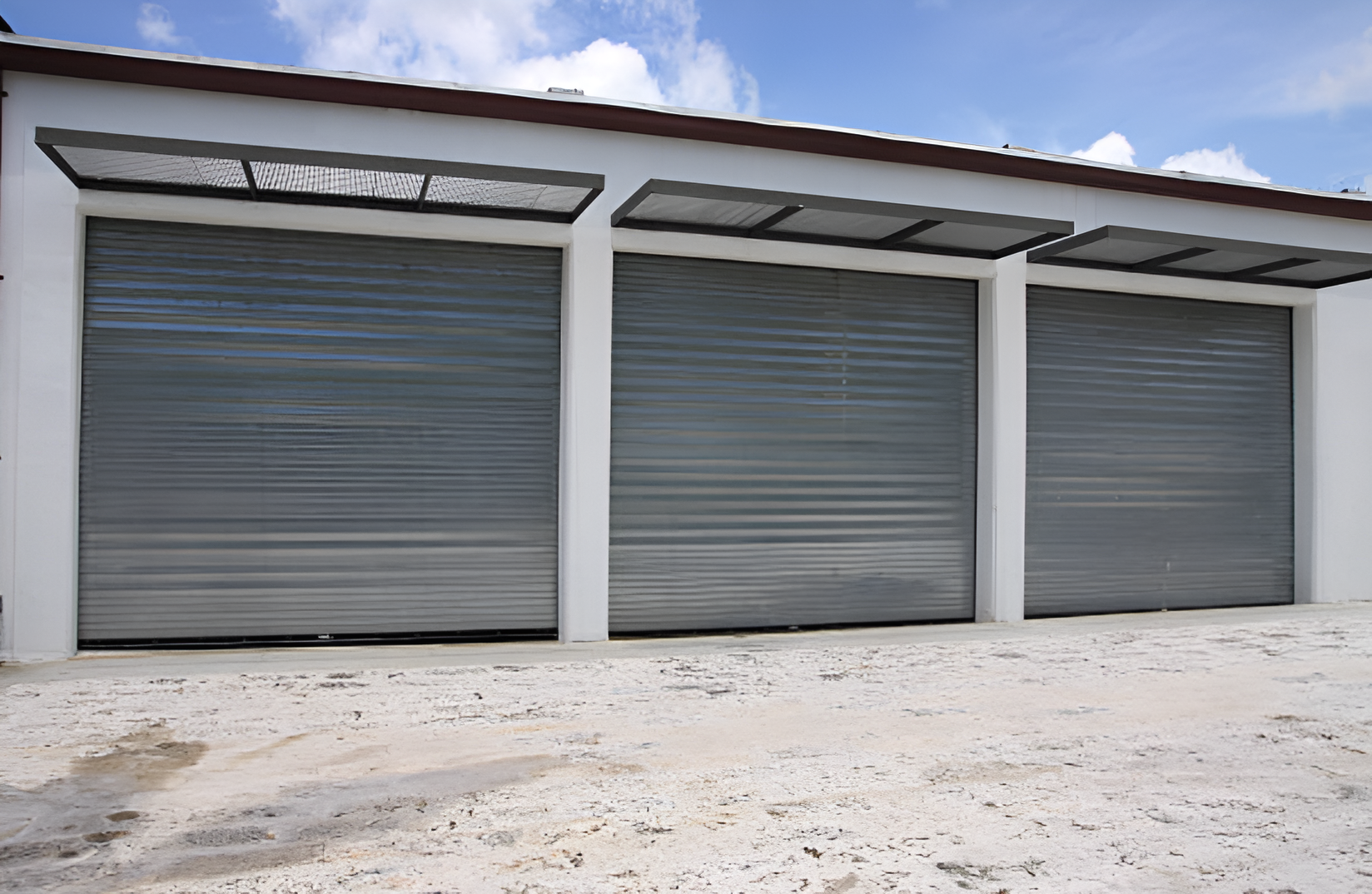
Fire-rated rolling steel doors protect openings in fire-rated walls by closing automatically when their release system is activated. The closed door helps limit the spread of fire through the opening, supporting the building’s larger fire and life-safety plan.
A standard rolling steel door may provide security, durability, and access control, but that does not automatically make it a fire-rated assembly. A fire door is manufactured, labeled, installed, and maintained as a complete tested system. Its curtain, guides, bottom bar, hood, release components, and other listed parts must continue working together as designed.
These doors often serve two purposes in a commercial building. During normal operations, the door can control access between work areas, storage rooms, service counters, or other spaces. During a fire-related event, its automatic-closing system allows it to close the protected opening.
The required door and rating depend on the wall assembly, opening, building use, and locally adopted code. Your architect, fire-protection professional, door provider, and authority having jurisdiction should confirm the correct requirements for the project.
Fire Ratings, Labels & Smoke Protection
A fire door’s label identifies the tested assembly and its fire-protection rating. Selecting a door based only on opening dimensions is not enough. The assembly must have a rating appropriate for the wall and application, and its installation must follow the manufacturer’s listing.
Keep the label visible and legible after installation. Painting over it, removing it, or making unauthorized changes to the assembly can create inspection problems and may compromise the door’s listed condition.
Fire protection and smoke control are also different considerations. A rolling steel fire door does not necessarily carry a smoke rating. When smoke protection is required, the project may need an appropriately labeled assembly, compatible seals, and electrical activation through smoke detection or the building’s fire alarm system.
Because requirements vary by building and jurisdiction, avoid choosing the rating or release method from a general product description alone. Confirm the applicable specifications before ordering or modifying the door.
Automatic Closing & Release Systems
A fire-rated rolling steel door needs a reliable method of closing when fire-related conditions are detected. Depending on the listed assembly and building design, activation may involve fusible links, heat or smoke detection, a fire alarm signal, an approved release device, or a combination of these components.
The door must remain capable of closing completely without an obstruction in the opening or interference along its guides. Storage, equipment, wiring, conduit, signs, and other building materials should not block the curtain or be attached to the fire door assembly unless the manufacturer’s listing permits it.
An automatic-closing system also needs to be reset correctly after testing or activation. A door that appears operational after being reopened may not be ready to respond properly if its release mechanism was not restored according to the manufacturer’s instructions.
Never prop a fire door open or disable its release equipment for convenience. If daily traffic makes the existing setup impractical, ask a qualified professional about a listed configuration that supports your operational needs without defeating the opening’s fire protection.
Plan the Complete Installation Before Ordering
A successful rolling steel fire door installation starts with the wall, opening, and surrounding construction. Door size is only one part of the specification. The jamb material, available headroom, mounting method, structural support, operator, release equipment, and required clearances all affect the finished assembly.
Installation planning should address:
- The required fire-protection rating
- The wall and jamb construction
- Opening width and height
- Available side room and headroom
- Manual or motorized operation
- Fire alarm or detection-system connections
- Access for testing, maintenance, and repairs
- Potential exposure to forklifts, vehicles, or stored materials
Vehicle and equipment traffic deserve particular attention in warehouses, loading areas, and industrial facilities. An impact can bend guides, damage the bottom bar, or interfere with the curtain’s movement. Protective barriers may help reduce that risk, but they must be positioned without obstructing normal operation or automatic closure.
For new construction in Highland, Hammond, Merrillville, Crown Point, or elsewhere in Northwest Indiana, early coordination can prevent expensive changes later. The door provider should work with the builder and other project professionals so the opening, electrical work, fire-protection system, and listed door assembly are compatible.
Annual Inspections & Drop Testing
Rolling steel fire doors require regular inspection and testing because they may remain open or unused for long periods before being needed in an emergency. NFPA 80 calls for periodic inspection and drop testing at least annually by a trained rolling steel fire door systems technician. Local code adoption and enforcement can vary, so confirm the requirements for your property with the authority having jurisdiction.
A proper service visit involves more than releasing the door to see whether it moves. The technician begins with a visual inspection and operational check, looking for damage, missing components, obstructions, improper attachments, contaminated fusible links, or conditions that could interfere with closure.
The door is then drop-tested from the fully open position according to the manufacturer’s instructions. It must close completely and at a controlled speed. NFPA 80 procedures call for a second successful drop test after the door is reset, confirming that the reset process restored the automatic-closing system correctly.
Keep written or electronic records of acceptance tests, annual inspections, drop tests, maintenance, and repairs. Organized records help you demonstrate ongoing care of the assembly and give future technicians useful information about the door’s condition and service history.
Damage & Maintenance Issues That Need Attention
Visible damage or unusual operation should be evaluated before the next scheduled inspection. A bent guide, damaged slat, loose mounting hardware, obstructed hood, missing label, or problem with the release mechanism can prevent the door from closing as intended.
Watch for these warning signs:
- The curtain binds, hesitates, or closes unevenly
- Guides or bottom bars show impact damage
- Fusible links are painted, dirty, or damaged
- Release cables or chains are kinked or obstructed
- The door does not close fully during operation
- Unapproved items have been attached to the assembly
- The listing label is missing, covered, or unreadable
Repairs to a listed fire door are not ordinary general-maintenance work. Replacement components generally need to come from the original manufacturer or otherwise comply with the assembly’s listing and applicable approval requirements. Unauthorized substitutions or field modifications can affect the door’s status as a tested assembly.
After work that affects operation or fire performance, the door should be inspected and drop-tested as required. Defects that could interfere with closure should be addressed without delay rather than left for the next annual visit.
Schedule Commercial Rolling Steel Door Service in Northwest Indiana
Crawford Door Sales provides commercial and industrial rolling steel and fire door installation and service throughout Northwest Indiana. Since 1967, our licensed, bonded, and insured company has worked with commercial facilities across Lake and Porter Counties, including Highland, Hammond, Merrillville, and Crown Point.
Contact Crawford Door Sales to discuss a new fire-rated rolling steel door, request service for an existing assembly, or get a free estimate for your commercial property. We also provide 24-hour emergency industrial service when an unexpected door problem affects your facility’s access, security, or operations.