
Commercial LiftMaster Door Openers: Choosing the Right Operator for Heavy-Duty Use
How to Choose the Right Commercial LiftMaster Door Opener
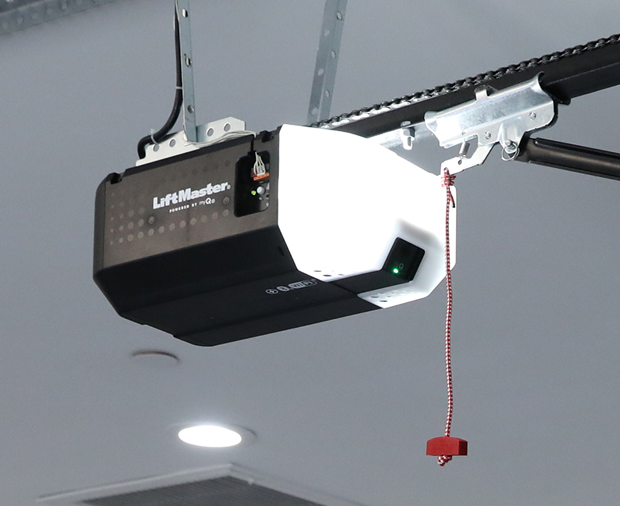
The right commercial LiftMaster door opener matches your door’s size, weight, and daily workload. A loading dock that runs throughout the day needs a different setup from a storage building that opens only a few times per shift. Choosing the operator around those demands helps keep your building accessible and your work moving.
For your business in Northwest Indiana, the decision should start with how the opening serves your operation. Consider what passes through it, when traffic is heaviest, and what happens if the door stops working. Those details give Crawford Door Sales a practical starting point for recommending equipment that fits your facility.
Match the Commercial Operator to Your Door
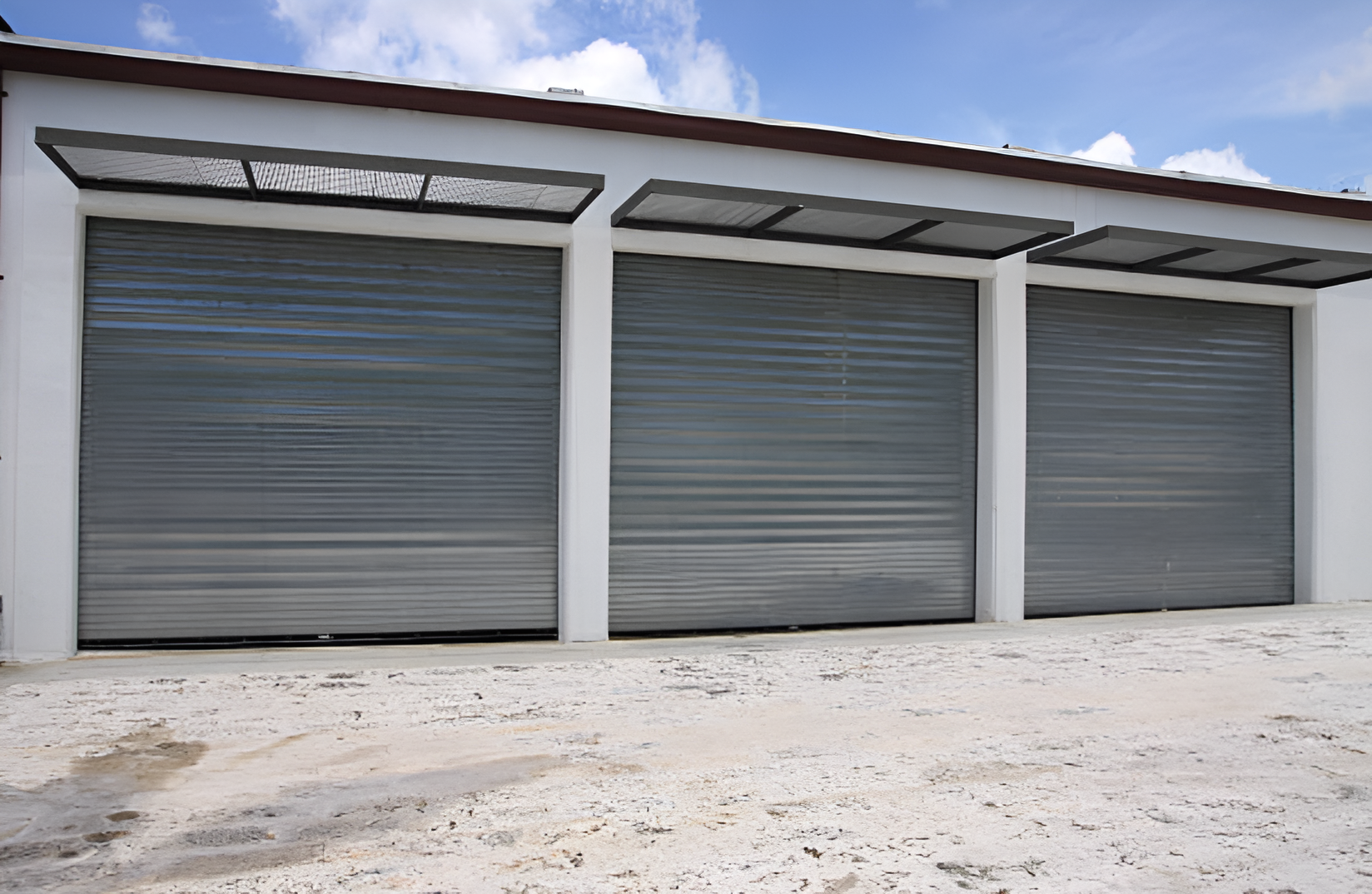
Your door’s construction and track arrangement help determine which operator is appropriate. A sectional garage door that travels beneath the ceiling has a different operating arrangement from a rolling steel door that coils above the opening. The operator needs to work with that existing system.
Size and weight matter, but choosing a larger motor is not a complete selection strategy. The equipment also needs suitable mounting space, the correct electrical supply, and compatibility with the door’s movement. A replacement should account for the entire opening rather than simply copy the label on the old operator.
This is especially useful when your building has changed over time. Added storage, new lighting, or equipment near the opening may affect the installation. Reviewing the space before choosing an operator helps identify those limitations early.
Choose a Duty Rating for Your Busiest Hours
Operating frequency matters just as much as door weight. A heavy door used occasionally and a lighter door cycling repeatedly place different demands on an operator. Your equipment needs both the capacity to move the door and a duty rating suited to how frequently it runs.
Think about your busiest hour, not just your daily average. A warehouse in Merrillville may receive several deliveries close together, while an automotive service facility may open its doors repeatedly as vehicles move between bays. That concentrated activity should be part of the selection conversation.
Before requesting an estimate, gather a few details about your workload:
- How often the door opens and closes during a typical day.
- When the heaviest periods of use occur.
- Whether multiple shifts use the same opening.
- Whether business growth will increase traffic.
- How much disruption a stopped door would cause.
You do not need a perfect count to begin. A realistic description of your operation gives the installer more useful information than simply requesting a heavy-duty opener.
Select Controls That Fit Your Workflow
Commercial door controls should make sense for the people using the opening. A door operated from a nearby wall station serves a different workflow from one used repeatedly by employees approaching in company vehicles.
Consider who needs access and where they will be when they operate the door. Your staff should be able to use the controls without creating unnecessary trips across a busy work area. At the same time, access should remain appropriate for the building and the equipment moving through it.
Discuss convenience features in terms of the problem you want to solve. You may want easier access from vehicles, better visibility into door status, or a simpler way to manage several openings. Starting with the task helps you choose useful features without adding functions your facility will rarely use.
Plan for Power Interruptions & Manual Access
Your operator selection should include a plan for accessing the building during a power interruption. If a closed door would trap service vehicles or interrupt deliveries, discuss that concern before installation.
Ask what manual operation involves for the proposed equipment and whether a suitable backup option is available. Confirm which features are included in the estimate and which require additional equipment. Backup arrangements vary, so they should be part of the specific proposal.
Your employees also need to understand the installed system. Identify who will handle an interruption and have the installer explain the correct procedure. Planning ahead is particularly useful when the opening serves as your main route for moving vehicles or equipment.
Inspect the Door Before Replacing the Opener
A new commercial opener should be installed on a door that is in proper working condition. Binding tracks, damaged rollers, worn components, or balance problems need attention as part of the project. Replacing the operator alone may leave the underlying cause of poor operation unresolved.
An inspection can also help determine whether you need an operator replacement at all. Trouble opening or closing may involve the door, controls, safety devices, or operator. Identifying the cause gives you a clearer basis for deciding between repair and replacement.
For your facility in Crown Point, that evaluation should also include the space around the opening. Vehicle routes, stored materials, and nearby equipment all affect how the door is used. The final setup needs to support your daily activity while keeping the opening and its safety devices clear.
Include Installation & Maintenance in Your Decision
The right commercial LiftMaster operator should come with a clear installation plan and an understanding of ongoing service needs. Ask what work is included, whether door repairs are needed first, and how installation will affect access to the building.
Schedule the project around the opening’s role in your business. A loading dock may require coordination with deliveries, while a service garage may need to move vehicles before work begins. Sharing those constraints during the estimate helps establish a workable plan.
After installation, keep maintenance part of your routine. Report changes in movement, unusual sounds, or inconsistent operation promptly so developing problems can be evaluated before they cause a larger interruption.
Get a Free Commercial LiftMaster Operator Estimate in Northwest Indiana
Crawford Door Sales is an authorized LiftMaster dealer serving Highland, Merrillville, Crown Point, and surrounding areas in Lake and Porter County since 1967. Our family-owned company in Highland provides commercial and industrial door service, including 24-hour emergency industrial service. Contact us for a free estimate to discuss a commercial LiftMaster operator that fits your overhead door, daily workload, and facility requirements.